Vibe Coding vs Real Coding: Why Business Owners Need to Understand the Difference Before Building Software
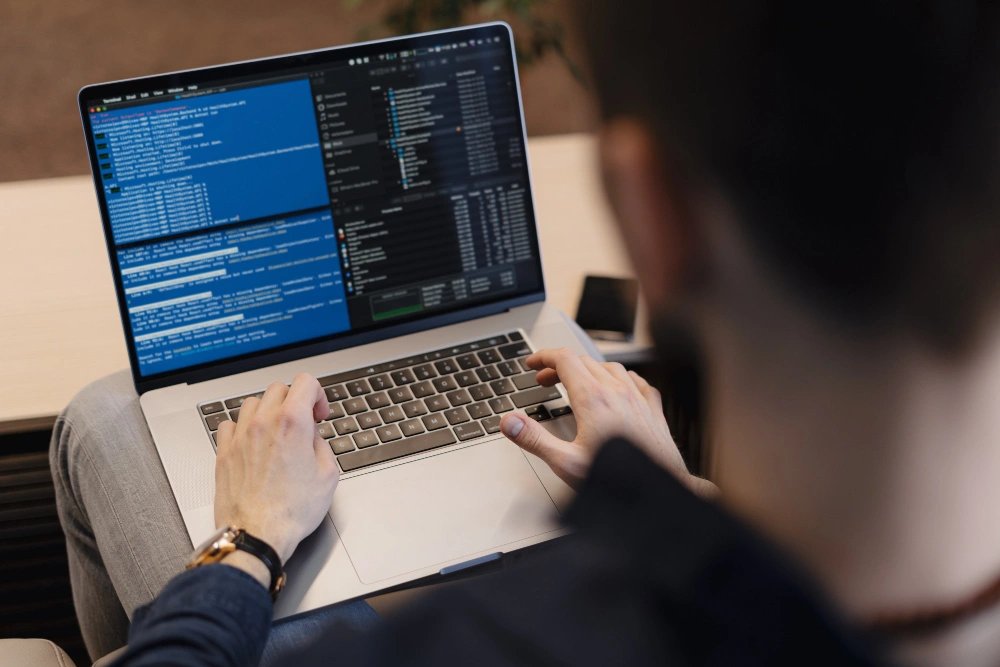
Vibe coding focuses on visual appeal and aesthetics, while real coding focuses on system architecture, stability, and alignment with business processes. This difference determines whether software becomes a long-term business asset or a source of ongoing operational problems.
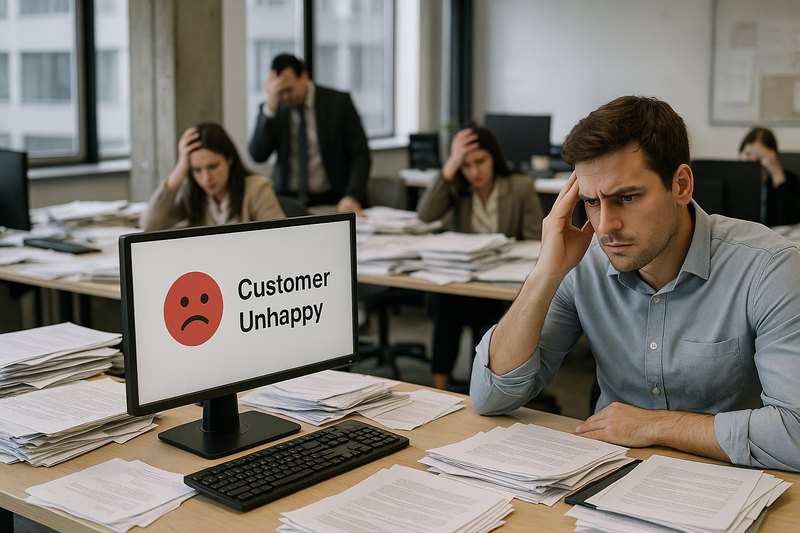
Many business owners only realize something is wrong with their software not during the initial presentation, but once the system is used in daily operations. The interface may look attractive, but processes feel slow, features require manual workarounds, and even small changes trigger new issues. This is where the real impact of vibe coding versus real coding begins to surface in business operations.
Development Focus: Visual Appeal vs System Architecture
The core difference lies in development priorities. Vibe coding typically emphasizes appearance and first impressions, aiming to deliver a visually impressive product. Real coding, on the other hand, prioritizes solid foundations such as system architecture and data structure to ensure the application remains stable and resilient. For businesses, this foundation determines whether a system can survive as data volumes and user counts grow.
Decision-Making Basis: Personal Taste vs Data & Engineering Best Practices
Vibe coding decisions are often driven by artistic preference and visual style, which can cause critical functional requirements to be overlooked. Real coding relies on data, operational workflows, and proven engineering best practices to guide technical decisions. This approach ensures the system supports business objectives rather than simply looking good.
Project Kickoff: Moodboards vs Workflow Analysis
The difference is evident from the very beginning of a project. Vibe coding often starts with moodboards, UI references, and design inspiration. Real coding begins with mapping business workflows, identifying operational pain points, and understanding cross-department needs. This early phase determines whether the software truly solves problems or merely replaces the old interface with a new one.

End Goal Orientation: Attractive UI vs Scalable Systems
The primary goal of vibe coding is a modern-looking interface that can be quickly showcased. Real coding aims to build scalable systems that are easy to maintain, extend, and capable of supporting business growth. For business owners, scalability delivers far more long-term value than initial visual impressions.
Alignment with Real Operational Workflows
A common issue with vibe coding is that the system often feels disconnected from real-world operations. Real coding is built around existing business processes and frequently helps streamline workflows that were previously inefficient. As a result, the software becomes a true operational tool rather than an additional burden for teams.
Types of Risks Involved
The main risks of vibe coding usually appear as UI bugs or features that look complete but lack functional depth. Real coding minimizes critical operational risks such as data inconsistency, system downtime, and process errors that directly impact business performance. For core business systems, these are the risks that must be avoided.
Long-Term Costs: Cheap Upfront vs Efficient for Growth
Vibe coding often appears cheaper at the start because it has a narrow scope and can be delivered quickly. However, the long-term costs of fixes, revisions, and rebuilding can be significantly higher. Real coding requires more structure upfront but proves far more cost-efficient as the business grows.
Conclusion
The difference between vibe coding and real coding is not about design preference—it is about system sustainability. Software built without proper engineering foundations will eventually limit operations instead of enabling growth. For business owners, understanding this distinction is a critical step before investing in digital systems.
Build Software Based on Business Needs, Not Just Visual Appeal
If you want to build systems that truly support operations and long-term growth, a real coding approach is essential. Smart IT Indonesia provides custom software development and AI automation services designed around workflows, data, and engineering standards—not just visuals.
Contact our team to discuss the right system solution from the start, without falling into myths or surface-level design traps.
PT SMARTIT MANTAP DIGITAL INDONESIA
Vieloft Ciputra World, Suite 10-01.
Kompleks Superblock, Ciputra World
Jl. Mayjen Sungkono No.89 Surabaya, Jawa Timur, Indonesia 60224
Telepon: +6281130576888 / +628113426391
Email: hello@smart-it.co.id
Facebook: Smart IT Indonesia
LinkedIn: Smart IT Indonesia
Instagram: smartitcoid